Braces Vienna: Straightening Smiles with Expert Orthodontic Care

Orthodontic treatment with braces Vienna has helped millions of people achieve straighter teeth, a better bite, and a more confident smile. Whether you are a teenager beginning orthodontic treatment for the first time or an adult who never had the opportunity to correct misaligned teeth, Vienna’s orthodontic specialists offer a full range of solutions tailored to every age and lifestyle.

Why Orthodontic Treatment Matters

The benefits of braces Vienna extend far beyond cosmetics. Misaligned teeth (malocclusion) can make it harder to clean teeth properly, leading to a higher risk of cavities and gum disease. They can place uneven stress on teeth and jaw joints, causing wear, pain, and TMJ (temporomandibular joint) disorders. They can affect chewing efficiency, speech clarity, and even breathing. Orthodontic treatment corrects these issues systematically and permanently.

Types of Braces Available in Vienna

When you consult an orthodontist about braces Vienna, you will typically be offered several options. Traditional metal braces consist of metal brackets bonded to the teeth and connected by a metal wire, which the orthodontist adjusts periodically to guide teeth into position. Ceramic (tooth-colored) braces work the same way but are less visible. Lingual braces are placed on the inside (tongue side) of the teeth, making them completely invisible from the outside. And clear aligner systems (such as Invisalign) use a series of removable transparent trays to achieve similar results.

The Orthodontic Treatment Process

Your braces Vienna journey begins with a comprehensive orthodontic assessment, including photographs, X-rays, and sometimes 3D digital scans of your teeth and jaws. The orthodontist uses this data to create a precise treatment plan detailing the expected movement of each tooth and the estimated duration of treatment, which typically ranges from 12 to 36 months. After braces are fitted, you will attend regular adjustment appointments every four to eight weeks.

Life With Braces: What to Expect

Wearing braces Vienna requires some lifestyle adjustments. You will need to avoid hard, sticky, or chewy foods that can damage brackets or wires. Brushing and flossing become more involved — specialized tools like interdental brushes, floss threaders, and water flossers make the job easier. You may experience some soreness after each adjustment appointment, but this typically subsides within a few days.

Find Your Orthodontist Through DentalAce

DentalAce is a platform that connects patients with dentists. DentalAce makes it simple to find a certified orthodontic specialist offering braces Vienna consultations. Compare orthodontists by experience, patient ratings, and treatment options to find the right fit for you.

Retainers: The Critical Final Step

After your braces Vienna are removed, wearing a retainer is essential to maintain the results of your treatment. Teeth have a natural tendency to drift back toward their original positions (a phenomenon called relapse). Retainers — either fixed (bonded behind the teeth) or removable — counteract this tendency and keep your newly aligned smile stable.

Conclusion

Investing in braces Vienna is an investment in your health, your confidence, and your quality of life. Vienna’s experienced orthodontists, combined with a wide range of treatment options, make this the right city to begin your smile transformation. Book a consultation today and take the first step toward the aligned, healthy smile you deserve.
Renta de estudio para podcast: cómo lograr un sonido profesional sin grandes inversiones

Common Uses of Concrete Piles in Modern Construction

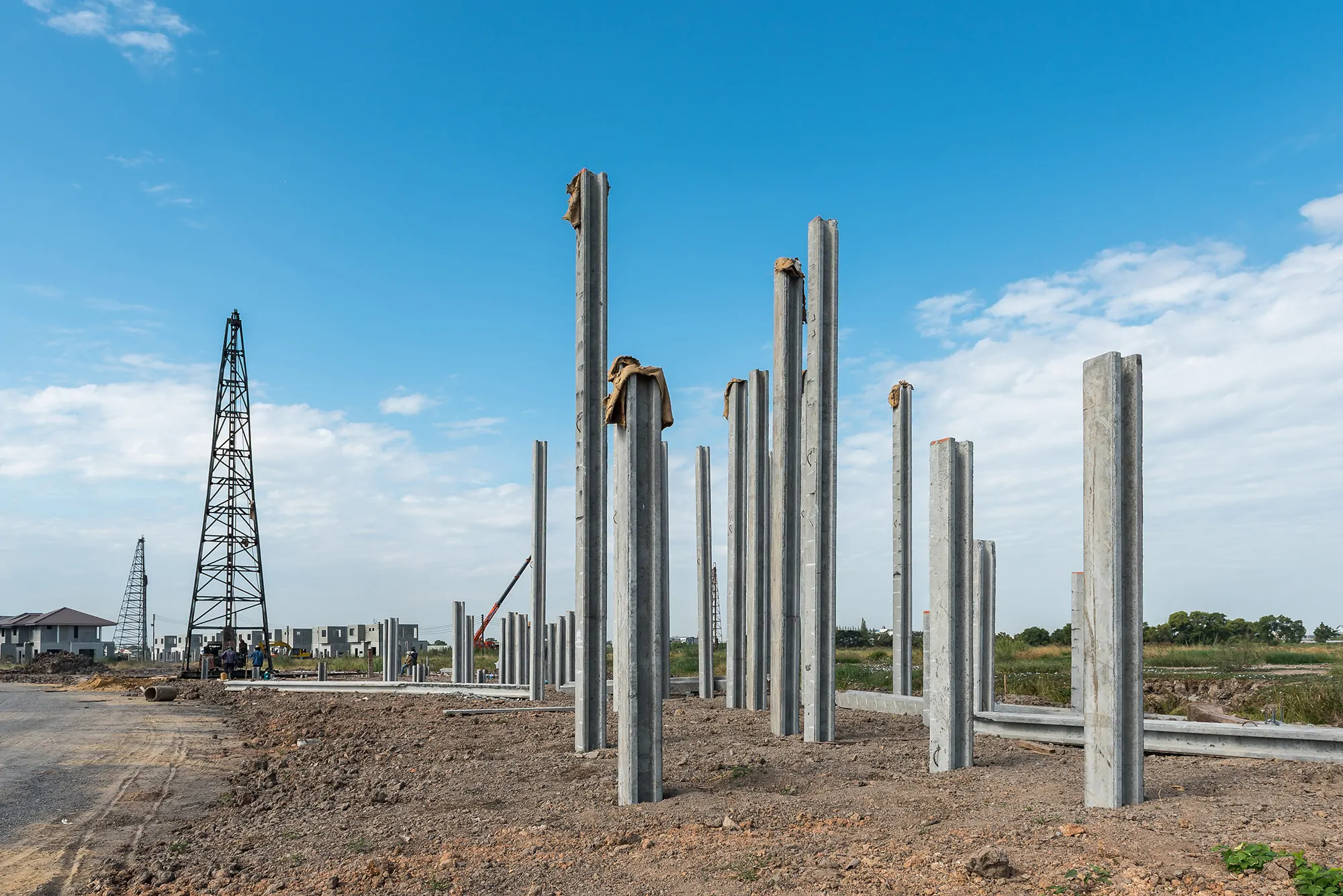
In today’s construction industry, concrete piles play a critical role in ensuring the stability, safety, and longevity of structures. As urban development expands and projects become more complex, the demand for reliable foundation solutions continues to grow. Among the most widely used options are precast concrete piles, valued for their strength, durability, and versatility across a wide range of applications.

Understanding how and where these structural elements are used can help developers, engineers, and project managers make better decisions when planning construction projects.

What Are Concrete Piles?

Concrete piles are long, slender structural elements driven deep into the ground to support buildings and infrastructure. They transfer the load of a structure from weak or unstable surface soils to deeper, stronger layers. This makes them essential in areas where the ground cannot naturally support heavy loads.

There are several types of piles, but precast concrete piles stand out due to their controlled manufacturing process. These piles are produced in a factory environment, ensuring consistent quality, precise dimensions, and high strength before being transported to the construction site.

Key Advantages of Precast Concrete Piles

The popularity of precast concrete piles comes from several important benefits:

• High load-bearing capacity
• Excellent durability and resistance to environmental factors
• Consistent quality due to factory production
• Faster installation compared to cast-in-place methods
• Reduced on-site labor and construction time

These advantages make them suitable for both small-scale projects and large infrastructure developments.

Common Uses of Concrete Piles
1. Building Foundations

One of the most common uses of concrete piles is in building foundations. In areas with soft soil, high groundwater levels, or uneven terrain, traditional shallow foundations may not provide enough support. Piles ensure that the structure’s weight is transferred to deeper, more stable soil layers.

High-rise buildings, residential complexes, and commercial properties frequently rely on precast concrete piles to maintain structural integrity over time.

2. Bridge Construction

Bridges require extremely strong and stable foundations to support heavy loads and constant movement. Concrete piles are widely used in bridge construction to anchor the structure securely into the ground or riverbed.

Because precast concrete piles are resistant to water, corrosion, and environmental stress, they are particularly suitable for bridges exposed to harsh conditions.

3. Marine and Coastal Structures

In marine environments, foundations must withstand saltwater, wave action, and fluctuating water levels. Concrete piles are commonly used in the construction of:

• Piers and docks
• Harbors and ports
• Offshore platforms
• Coastal protection structures

The durability of precast concrete piles ensures long-term performance even in aggressive environments where other materials may degrade quickly.

4. Industrial Facilities

Heavy industrial structures, such as factories, warehouses, and power plants, require foundations capable of supporting large loads and vibrations. Concrete piles provide the necessary strength and stability for these demanding applications.

Their ability to handle dynamic loads makes precast concrete piles an ideal choice for facilities with heavy machinery or constant operational movement.

5. Infrastructure Projects

Large-scale infrastructure projects rely heavily on concrete piles. These include:

• Highways and overpasses
• Railways and transit systems
• Retaining walls and embankments
• Utility structures

Using precast concrete piles helps speed up construction timelines while maintaining high structural standards.

6. Ground Stabilization and Retention

In addition to supporting structures, concrete piles are also used for ground stabilization. They can prevent soil movement, reduce settlement, and reinforce slopes or excavations.

This application is especially important in areas prone to landslides or erosion, where stability is critical for both safety and long-term performance.

Why Choose Precast Concrete Piles?

When comparing foundation solutions, precast concrete piles often emerge as the preferred option due to their reliability and efficiency. Their off-site production allows for strict quality control, while their rapid installation reduces project delays and labor costs.

Additionally, they offer excellent performance in challenging environments, including wet, corrosive, or unstable soil conditions. This makes them a dependable choice for projects where failure is not an option.

As construction demands continue to evolve, the importance of strong and reliable foundations cannot be overstated. Concrete piles remain one of the most effective solutions for transferring structural loads safely into the ground.

From residential buildings to large infrastructure developments, the versatility of precast concrete piles makes them an essential component in modern engineering. Their durability, efficiency, and adaptability ensure that they will continue to play a vital role in construction projects around the world for years to come.


Thawing Adalah and Temperature Control: Ensuring Food Safety and Quality

Thawing is a crucial step in food preparation, often referred to as thawing adalah in certain culinary contexts. It involves the process of gradually bringing frozen food to a temperature where it can be safely cooked or consumed. While thawing might seem simple, improper handling can lead to foodborne illnesses and compromise food quality. This is why temperature control during thawing is critical.

Understanding Thawing Adalah

Thawing is the controlled transition of food from its frozen state to a usable form. Frozen food maintains freshness and slows bacterial growth, but once thawed, the food becomes susceptible to bacteria if not handled properly. Thawing is not just about defrosting; it is about doing so safely and efficiently, ensuring the food retains its texture, flavor, and nutritional value.

The Importance of Temperature Control

Temperature is the most significant factor in safe thawing. The general rule is to keep food out of the “danger zone”, which ranges from 40°F to 140°F (4°C to 60°C), where bacteria multiply rapidly. Thawing at temperatures above this range increases the risk of contamination, while thawing too slowly at very low temperatures can be inefficient.

Proper temperature control during thawing can be achieved using several methods:

  1. Refrigerator Thawing
    The safest method involves thawing food in the refrigerator at temperatures below 40°F (4°C). This ensures that the food stays consistently cold while slowly defrosting. Although this method requires planning ahead, it is highly recommended for meats, poultry, and seafood.

  2. Cold Water Thawing
    Submerging sealed food in cold water can speed up thawing. The water should be changed every 30 minutes to maintain a safe temperature. This method is faster than refrigerator thawing but still minimizes bacterial growth.

  3. Microwave Thawing
    Microwaves can quickly thaw food but may partially cook edges if not monitored carefully. Food thawed in a microwave should be cooked immediately to prevent bacteria from growing in partially heated areas.

  4. Cooking Without Thawing
    Certain foods, like small cuts of meat or vegetables, can be cooked directly from frozen. Temperature control during cooking is still essential to ensure the food reaches a safe internal temperature.

Guidelines for Safe Thawing

  • Plan ahead to allow sufficient time for refrigerator thawing.

  • Keep raw and cooked foods separate to avoid cross-contamination.

  • Cook food immediately after thawing using rapid methods like microwaving or cold water thawing.

  • Never thaw food at room temperature, as this exposes it to the danger zone for extended periods.

Conclusion

Thawing adalah is more than simply defrosting frozen food—it is a careful process that requires attention to temperature control to maintain food safety and quality. By choosing the right thawing method and strictly managing temperatures, home cooks and professionals can prevent foodborne illness, preserve nutrients, and ensure that meals are both safe and delicious.